Ube in pastry and food service
A natural purple on the plate, a surprising vanilla-hazelnut taste, a raw material that's stable all year round. Ube gives pastry chefs and cooks an instantly recognisable field of creation.
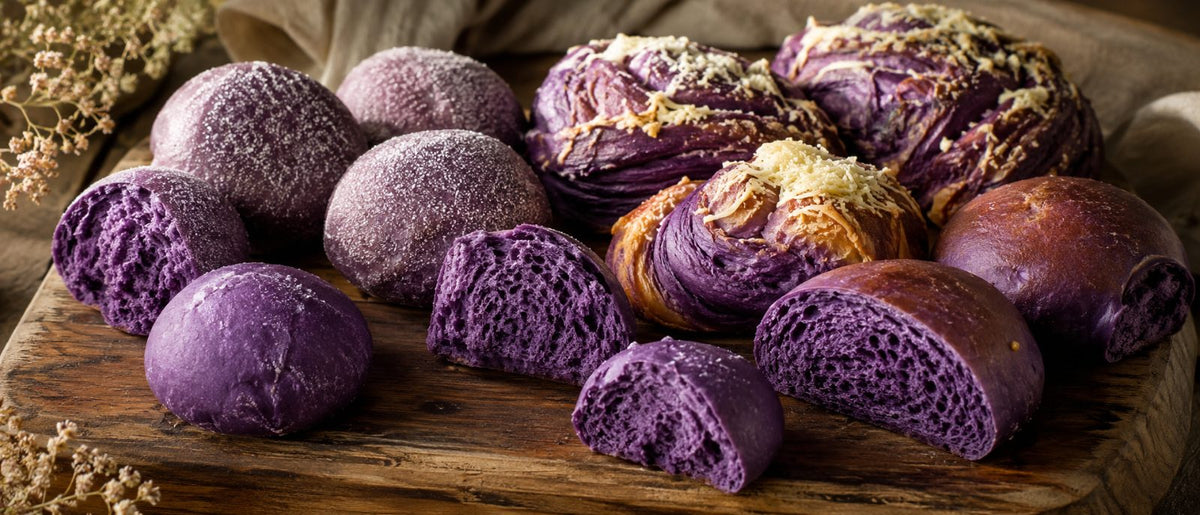
A colour that sells the dessert
In the display case as on the menu, a purple dessert gets noticed before it's even tasted. Ube brings that colour with no artificial colouring, with a soft taste that pairs with vanilla, coconut, white chocolate and fruit. For an establishment, it's a simple way to sign a creation and make it memorable.
In the Philippines, ube is a pillar of pastry: brioches, entremets, creams and ice creams. A whole tradition to draw inspiration from.
Where to use it
Ube powder finds its place at almost every step:
- Creams and ganaches: pastry cream, mousseline, whipped white chocolate ganache.
- Biscuits and cakes: sponges, cookies, madeleines, loaf cakes.
- Viennoiserie and brioches: like the Filipino ensaymada.
- Glazes and decorations: for a colourful, natural finish.
- Plated desserts: creams, cheesecakes, signature entremets.
Rehydrate the powder in part of the recipe's hot liquid (milk, cream) before adding it. You avoid lumps and set an even colour.
One ingredient, the whole sweet menu.
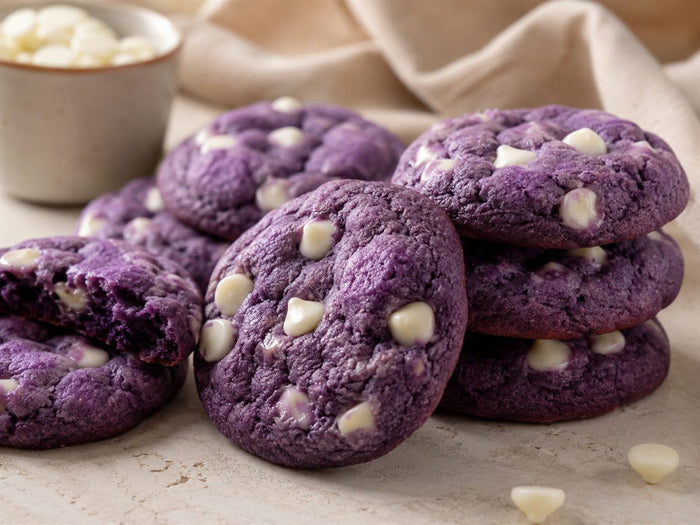
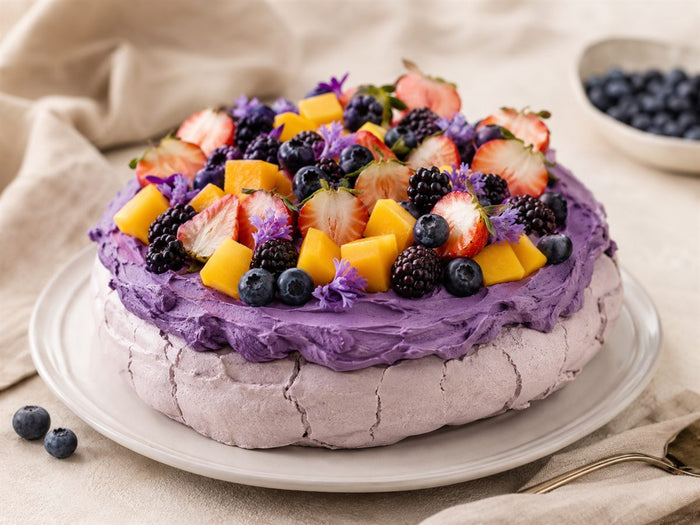
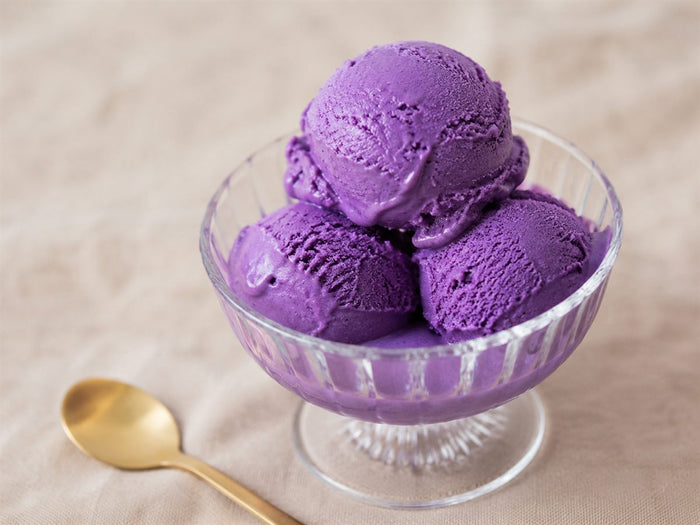

Keeping the purple through baking
Ube's colour comes from natural pigments sensitive to heat and pH. To preserve it, favour lightly cooked or uncooked preparations (cold creams, whipped ganaches, ice creams) and, for baking, a slightly more generous dose to offset the fading. A slightly acidic environment also helps set the purple.
That's what sets a natural purple apart from a colouring: it shifts a little with baking. Mastering its behaviour makes all the difference to the final result.
Ube in preparation: the guide.
| Preparation | Colour result | Good to know |
|---|---|---|
| Creams and ganaches | Ideal | Intense colour, little baking |
| Ice creams and frozen entremets | Ideal | Vivid purple preserved by cold |
| Biscuits and cakes | Very good | Dose a little more, softer colour |
| Viennoiserie | Good | Colours the dough, possible marbled effect |
| Glazes and decorations | Ideal | Colourful finish with no colouring |
Colour result
Good to know
Sign your desserts with ube.
100% ube Kinampay powder in a 100 g pouch or 1 kg bulk, with dosage advice and recipe ideas for your kitchen. Technical documentation on request.
Your questions: ube in pastry.
How do I use ube powder in pastry?
Rehydrate it in part of the recipe's hot liquid before adding it, like cocoa. It's then used in creams, biscuits, ice creams, glazes and plated desserts.
Does the colour hold up to baking?
Ube's purple is natural and fades slightly with heat. For an intense result, favour cold preparations or slightly increase the dose in baked recipes.
What dosage for a cake or a cream?
Dosage depends on the recipe and the intensity you want. Testing is recommended; we share guidelines and recipe ideas with professionals.
Is ube suitable for a restaurant menu?
Yes. It enables highly visual signature desserts, from creams to entremets, and a caffeine-free accompanying drink. It enriches the dessert menu as well as the drinks menu.
Do you provide technical documentation?
Yes. Technical data sheet, nutritional information and allergen, vegan and non-GMO declarations are provided on request after you present your project.