Ube vs the coloured powders
Violet, pink, blue, green: natural powders have taken over café menus and social feeds. But not all are equal, in taste or in use. Here is how to find your way and why ube stands out.
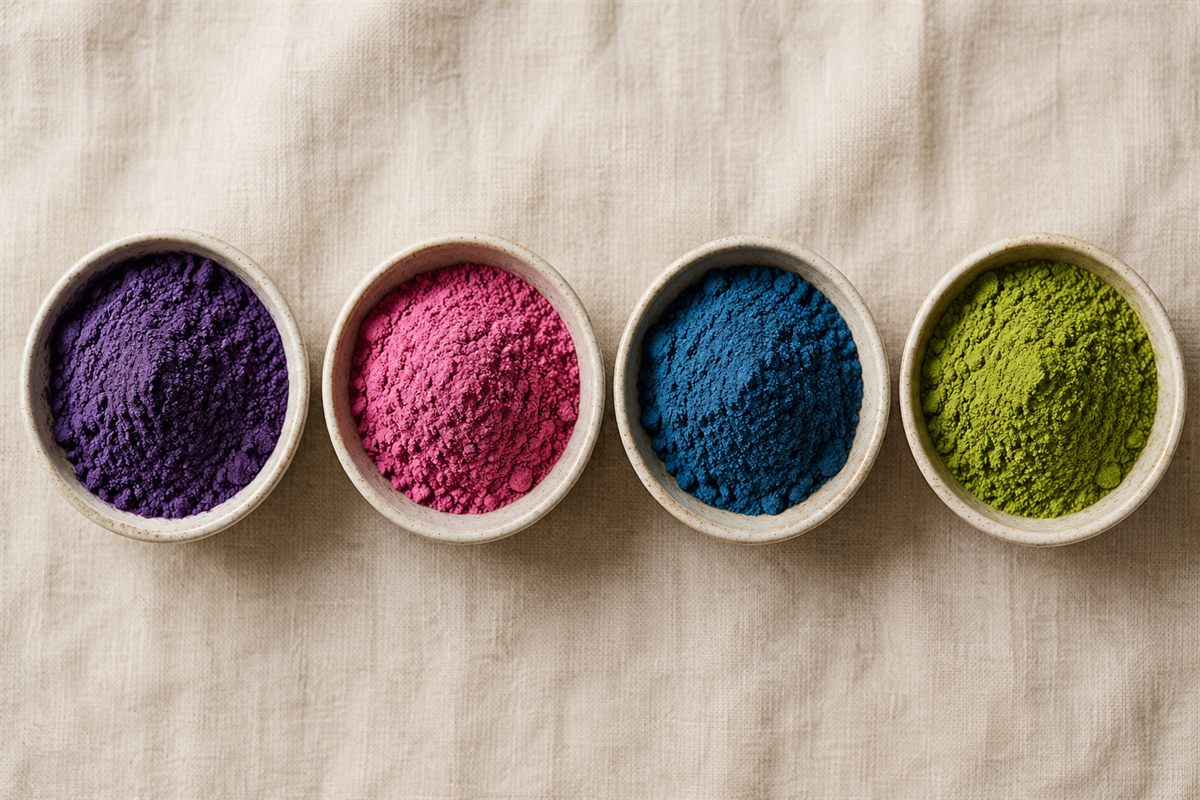
The boom of coloured powders
They turn a simple latte into a spectacular creation: natural plant powders colour drinks, ice creams and pastries with no synthetic colouring.
The best known are ube (violet), pitaya (pink), spirulina (blue-green) and matcha (green). Behind the colour, each has a very different origin, taste and use.
A beautiful natural colour does not mean a good taste: some powders are chosen mostly for the hue. Ube, on the other hand, combines colour AND indulgent flavour.
The showdown of coloured powders.
| Criterion | Ube | Pitaya | Spirulina | Matcha |
|---|---|---|---|---|
| Nature | Purple yam (root) | Dragon fruit | Microalga | Green tea powder |
| Colour | Violet (anthocyanins) | Pink | Blue-green | Green (chlorophyll) |
| Taste | Mild, vanilla, hazelnut | Fruity, tart | Marked, marine | Vegetal, bitter |
| Caffeine | None | None | None | Yes |
| Ideal use | Drinks & baking | Smoothies, bowls | Colour, smoothies | Drinks |
Ube
Pitaya
Spirulina
Matcha
Ube: the indulgent violet
Ube (Dioscorea alata) is a purple yam from the Philippines. Its deep colour comes from anthocyanins, the same pigments as blueberry or red cabbage. Its taste? Mild, vanilla, lightly hazelnut, and naturally caffeine-free.
It is the only one of the four as at home in a latte as in a cheesecake: it colours and flavours.
With ube, the colour is in the ingredient. No additive: the root gives the violet.
Pitaya: the fruity pink
Drawn from dragon fruit, pitaya gives a magnificent bright pink. Its taste is lightly tart and fruity, perfect for smoothie bowls and cold drinks.
On the other hand, it is less versatile than ube: its fruity flavour pairs less well with baking and hot milk.
Spirulina: the intense blue-green
Spirulina (blue or green) is a microalga. Its colour is spectacular, but its taste, marked and marine, needs to be carefully dosed and masked by other ingredients.
So it is used mostly for colour, rarely for taste pleasure alone.
For a drink that is both beautiful AND good, better a powder whose taste you enjoy. Ube ticks both boxes.
Matcha: the stimulating green
Matcha is a green tea powder. Its colour comes from chlorophyll, its taste is vegetal and bitter, and above all it contains caffeine, the big difference with ube.
It is the morning choice; ube, caffeine-free, is enjoyed at any hour. We detail everything in our comparison Ube or Matcha.
So, which to choose?
It all depends on the mood. For pure colour, spirulina and pitaya put on the show. For a boost, matcha. But for a powder at once colourful, indulgent, caffeine-free and as good in a latte as in a dessert, ube is the best starting point.
- Ube colours and flavours (vanilla-hazelnut), caffeine-free.
- Pitaya is fruity; spirulina mostly decorative; matcha vegetal and caffeinated.
- All colour naturally, but ube is the most versatile.
Compare ube with matcha and taro, or go back to basics: what is ube?
In the mood for violet?
Discover ube, the real natural violet, mild and caffeine-free. As powder, or as a capsule ready in 30 seconds.
Your questions: coloured powders.
Which coloured powder is the most natural?
All those mentioned colour naturally. Ube, pitaya, spirulina and matcha need no synthetic colouring; their hue comes from the plant.
Which coloured powder tastes the best?
It's subjective, but ube is often preferred for its vanilla-hazelnut mildness, more consensual than matcha's bitterness or spirulina's marine side.
Which one contains caffeine?
Only matcha contains caffeine. Ube, pitaya and spirulina are naturally free of it.
Which powder for a coloured latte?
Ube for a mild, indulgent violet, matcha for a fuller, caffeinated green. Pitaya and spirulina suit cold drinks best.
Can you mix these powders?
Yes, but sparingly: colours and tastes mix too. Ube alone is enough to get an intense violet and a mild flavour.
Is ube an alga like spirulina?
No. Ube is a yam (a root), while spirulina is a microalga. Nothing in common except the bright colour.